
Introduction
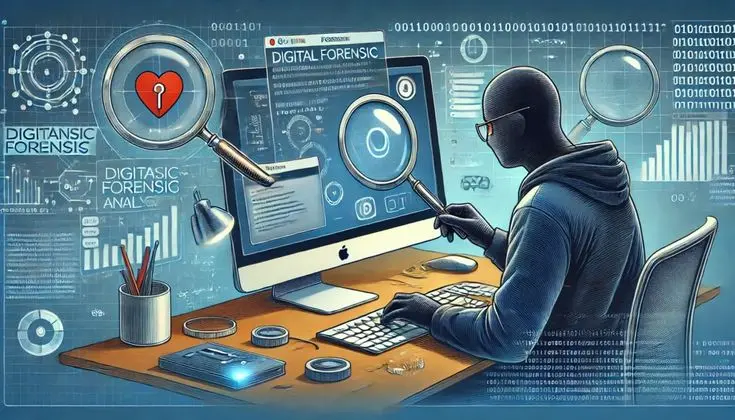
Digital forensics is a critical field in today’s technology-driven world where cybercrimes, data breaches, and online fraud are increasing rapidly. Understanding the Digital Forensics Life Cycle is essential for anyone interested in cybersecurity, law enforcement, or IT investigation. It provides a structured approach to identifying, collecting, analyzing, and preserving digital evidence in a legally acceptable way. The process ensures that data remains intact and reliable throughout the investigation.
The Digital Forensics Life Cycle plays a key role in solving cyber incidents by following systematic steps that help investigators reach accurate conclusions. Whether it is a hacked system, stolen data, or suspicious online activity, this life cycle ensures that every piece of digital evidence is handled carefully. Each phase is designed to maintain integrity, accuracy, and authenticity of information.
In simple terms, the Digital Forensics Life Cycle is like a roadmap that guides experts from the initial detection of an incident to the final reporting stage. It helps organizations and law enforcement agencies uncover the truth behind cyber incidents. This structured approach minimizes errors and ensures that evidence can be presented in court if needed. As cyber threats continue to evolve, mastering this process becomes even more important for beginners and professionals alike.
What is Digital Forensics Life Cycle?
The Digital Forensics Life Cycle is a structured process used to investigate digital crimes and incidents. It involves a series of steps that help professionals identify, preserve, analyze, and present digital evidence in a systematic way. This process ensures that all evidence is handled properly so that it remains valid and admissible in legal proceedings.
At its core, the Digital Forensics Life Cycle focuses on maintaining the integrity of data while investigating cyber incidents. It is widely used in cybersecurity, law enforcement, corporate investigations, and incident response teams. The life cycle helps experts track digital footprints left behind by attackers or unauthorized users.
The process typically includes several key stages such as identification, preservation, collection, examination, analysis, and reporting. Each stage has a specific purpose and contributes to building a complete investigation report. By following this structured approach, investigators can ensure that no critical evidence is missed or tampered with.
In modern cybersecurity environments, the Digital Forensics Life Cycle is essential for handling complex cyber threats. It provides a reliable framework that helps organizations respond to incidents quickly and effectively. Without it, investigations would lack consistency and legal reliability.
Why is Digital Forensics Life Cycle Important?
The importance of the Digital Forensics Life Cycle cannot be overstated in today’s digital world. Cybercrimes are becoming more advanced, and organizations need a reliable method to investigate and respond to incidents. This life cycle ensures that investigations are conducted in a structured and legally sound manner.
One of the main reasons it is important is that it preserves the integrity of digital evidence. Without proper handling, evidence can be easily altered or destroyed, making it useless in legal cases. The life cycle ensures that every step is documented and controlled.
Another key reason is accuracy. The Digital Forensics Life Cycle helps investigators avoid mistakes by following a clear process. This reduces the chances of incorrect conclusions and ensures that findings are based on solid evidence.
It is also crucial for legal compliance. Courts require evidence to be collected and analyzed in a proper manner. The life cycle ensures that all procedures meet legal standards, making the evidence admissible in court.
Additionally, it helps organizations improve their cybersecurity strategies. By analyzing past incidents, companies can identify weaknesses and strengthen their defenses against future attacks.
Detailed Step-by-Step Guide
1. Identification Phase
The first step in the Digital Forensics Life Cycle is identification. In this phase, investigators detect whether a security incident has occurred. This may include suspicious activity, system breaches, or unusual data behavior. The goal is to determine what happened and where the potential evidence is located.
2. Preservation Phase
Once evidence is identified, it must be preserved immediately. This step ensures that no data is modified or destroyed. Investigators create backups and use forensic tools to maintain the original state of the data. Preservation is one of the most critical parts of the Digital Forensics Life Cycle because any change in evidence can affect the investigation outcome.
3. Collection Phase
In the collection phase, digital evidence is gathered from various sources such as computers, servers, mobile devices, and cloud systems. Proper tools and techniques are used to extract data without altering it. Chain of custody is maintained to ensure evidence integrity.
4. Examination Phase
During examination, the collected data is carefully inspected. Investigators filter out irrelevant information and focus on data that is useful for the case. This step involves recovering deleted files, analyzing logs, and identifying hidden data.
5. Analysis Phase
The analysis phase is where investigators interpret the data. They look for patterns, connections, and evidence that can explain the incident. This stage requires high expertise as it involves drawing conclusions from complex digital information.
6. Reporting Phase
The final stage is reporting. Investigators document all findings in a detailed report. This report includes evidence, methods used, and conclusions. It is often used in legal proceedings or internal investigations.
Benefits of Digital Forensics Life Cycle
- Ensures proper handling of digital evidence
- Maintains data integrity throughout investigation
- Helps in legal compliance and court acceptance
- Provides structured and systematic investigation process
- Improves cybersecurity response and prevention
- Reduces chances of human error
- Supports accurate incident reconstruction
Disadvantages / Risks
- Requires highly skilled professionals
- Can be time-consuming in complex cases
- Expensive due to advanced tools and software
- Risk of data loss if not handled properly
- Legal and privacy challenges in some regions
- Dependency on technology and forensic tools
Common Mistakes to Avoid
Many beginners make mistakes during the Digital Forensics Life Cycle that can compromise investigations. One common mistake is failing to preserve evidence properly, which can lead to data corruption. Another mistake is not maintaining the chain of custody, which affects legal validity.
Ignoring proper documentation is also a major issue. Every step must be recorded clearly to ensure transparency. Using incorrect tools or outdated software can also lead to inaccurate results.
Investigators should also avoid jumping to conclusions without proper analysis. Each phase of the Digital Forensics Life Cycle must be followed carefully to ensure reliable outcomes.
FAQs
1. What is the main purpose of Digital Forensics Life Cycle?
The main purpose is to investigate cyber incidents in a structured way while preserving digital evidence for legal and analytical use.
2. How many stages are in the Digital Forensics Life Cycle?
There are typically six stages: identification, preservation, collection, examination, analysis, and reporting.
3. Why is evidence preservation important?
It ensures that digital data remains unchanged so it can be used as valid proof in investigations and legal cases.
4. Who uses Digital Forensics Life Cycle?
It is used by cybersecurity experts, law enforcement agencies, IT professionals, and corporate security teams.
5. Can digital evidence be used in court?
Yes, if it is collected and handled according to proper forensic procedures, it is admissible in court.
6. What tools are used in digital forensics?
Various forensic tools are used for data recovery, analysis, and investigation depending on the type of case.
Expert Tips & Bonus Points
Experts recommend always following strict protocols during investigations. Never access original data without creating a backup. Always document every action taken during the Digital Forensics Life Cycle.
Using updated forensic tools improves accuracy and efficiency. Continuous learning is also important because cyber threats evolve rapidly.
Another important tip is to maintain chain of custody at all times. This ensures that evidence remains legally valid and tamper-proof.
Professionals should also stay updated with cybersecurity laws and regulations to ensure compliance during investigations.
Conclusion
The Digital Forensics Life Cycle is a fundamental process in modern cybersecurity and digital investigations. It provides a clear and structured approach to handling cyber incidents effectively. By following its stages carefully, investigators can ensure that digital evidence remains accurate, reliable, and legally acceptable.
From identification to reporting, each phase plays a critical role in uncovering the truth behind cybercrimes. Without this structured approach, investigation would be inconsistent and unreliable. The Digital Forensics Life Cycle not only helps solve crimes but also strengthens overall cybersecurity defenses.
For beginners and professionals alike, understanding this process is essential in today’s digital age. As cyber threats continue to grow, mastering the Digital Forensics Life Cycle becomes increasingly important for protecting data, systems, and organizations from malicious activities.