

Introduction
Digitalization in daily life refers to the integration of digital technologies into everyday activities, making tasks faster, easier, and more efficient. In today’s modern world, almost every aspect of human life is influenced by digital tools, from communication and education to business and healthcare. The rapid growth of smartphones, internet access, and smart devices has transformed the way people live and interact.
In the past, simple tasks such as sending letters, paying bills, or storing information required physical effort and time. Now, with just a few clicks, everything can be done within seconds. This shift has not only improved convenience but also created new opportunities for learning, earning, and connecting with others globally.
Digitalization is no longer optional; it has become a necessity in modern society. People depend on digital platforms for work, entertainment, shopping, and even social relationships. As a result, understanding digitalization in daily life is important for students, professionals, and businesses alike.
What is Digitalization in Daily Life?
Digitalization in daily life means using digital technologies to perform everyday tasks and activities. It involves converting traditional processes into digital formats using computers, smartphones, and the internet.
For example, instead of visiting a bank, people now use online banking apps. Instead of attending physical classes only, students can also study through online learning platforms. Similarly, businesses use digital marketing instead of traditional advertising methods.
Digitalization is not just about technology; it is about improving efficiency and accessibility in daily life. It connects people, automates tasks, and reduces manual effort.
Why is Digitalization Important?
Digitalization plays a crucial role in modern society because it improves speed, accuracy, and convenience in daily activities. It helps individuals and organizations save time and resources while increasing productivity.
One major reason for its importance is global connectivity. People can communicate instantly with anyone in the world through messaging apps and video calls. This has removed geographical barriers and strengthened relationships.
Another important factor is access to information. With digital tools, knowledge is available at everyone’s fingertips. Students can learn new skills online, and professionals can stay updated with industry trends.
Businesses also benefit greatly from digitalization. It allows them to reach a larger audience, improve customer service, and increase profits through online platforms.
Moreover, digitalization supports economic growth by creating new job opportunities in fields like IT, digital marketing, and software development.
Detailed Step-by-Step Guide to Digitalization in Daily Life
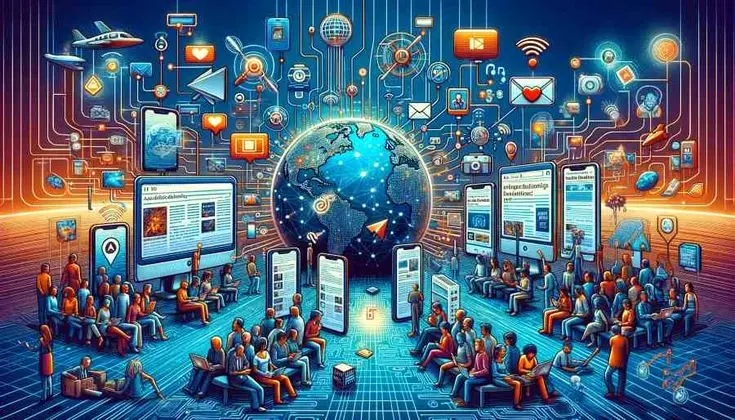
Step 1: Digital Communication
The first step in digitalization is adopting digital communication tools. These include email, messaging apps, and social media platforms. They allow instant communication without delays.
People can share information, images, and videos in real time, making communication more effective and efficient.
Step 2: Online Education and Learning
Education has become more accessible due to digital platforms. Students can attend online classes, watch tutorials, and access digital libraries.
This step helps learners study at their own pace and from any location, making education flexible and inclusive.
Step 3: Digital Payments and Banking
Traditional banking methods are now replaced with online banking systems. People can transfer money, pay bills, and manage accounts through mobile apps.
Digital wallets and online payment systems have made financial transactions faster and safer.
Step 4: E-Commerce and Online Shopping
Shopping has become easier with e-commerce platforms. Customers can browse products, compare prices, and order items from home.
This step has revolutionized retail businesses and improved customer experience.
Step 5: Smart Devices and Automation
Smart devices like smartphones, smart TVs, and home automation systems have simplified daily life.
These devices can perform tasks automatically, such as controlling lights, temperature, and security systems.
Step 6: Digital Healthcare Services
Healthcare has also become digitalized with online appointments, telemedicine, and electronic health records.
Patients can consult doctors remotely, saving time and improving access to medical care.
Benefits of Digitalization in Daily Life
- Improves communication speed and efficiency
- Provides easy access to information and knowledge
- Saves time in daily tasks and activities
- Enhances productivity in work and education
- Supports global connectivity and networking
- Creates new job opportunities in digital industries
- Reduces physical effort through automation
- Improves customer experience in businesses
- Makes financial transactions faster and safer
- Encourages innovation and technological development
Disadvantages / Risks of Digitalization
- Increases dependency on technology
- Raises concerns about data privacy and security
- Can lead to digital addiction and reduced social interaction
- Causes job loss in traditional industries
- Creates inequality due to lack of digital access
- Increases cybercrime risks such as hacking and fraud
- May affect physical and mental health due to screen time
- Requires constant updates and maintenance of systems
Common Mistakes to Avoid
One common mistake is over-reliance on digital tools without understanding their limitations. People often trust online information blindly, which can lead to misinformation.
Another mistake is ignoring cybersecurity practices. Weak passwords and unsafe browsing can expose personal data to risks.
Many users also fail to balance digital and real-life activities, leading to unhealthy habits and reduced productivity.
Businesses sometimes adopt digital tools without proper training, which reduces efficiency instead of improving it.
Avoiding these mistakes is important to ensure safe and effective use of digital technologies.
FAQs
1. What is digitalization in simple words?
Digitalization is the use of digital technology to perform everyday tasks more easily and efficiently.
2. How does digitalization affect daily life?
It improves communication, education, banking, shopping, and healthcare by making them faster and more convenient.
3. Is digitalization good or bad?
Digitalization is mostly beneficial, but it also has risks like privacy issues and addiction if not used properly.
4. What are examples of digitalization?
Online banking, e-learning, social media, and e-commerce are common examples.
5. How does digitalization help students?
It provides access to online learning resources, virtual classes, and educational tools from anywhere.
6. What are the risks of digitalization?
Risks include cybercrime, data theft, over-dependence on technology, and reduced physical interaction.
Expert Tips & Bonus Points
To make the best use of digitalization, always maintain a balance between online and offline life. Use technology as a tool, not a replacement for real-life experiences.
Keep your devices secure by using strong passwords and updated software. This helps protect your personal information.
Try to learn new digital skills regularly, as technology is constantly evolving. This will improve your career opportunities.
Use digital platforms for learning and productivity rather than just entertainment.
Conclusion
Digitalization in daily life has completely transformed the way people live, work, and communicate. It has made life more convenient, efficient, and connected than ever before. From education and healthcare to business and communication, every sector has benefited from digital technologies.
However, along with its advantages, digitalization also brings challenges such as privacy risks, addiction, and dependency. Therefore, it is important to use digital tools responsibly and wisely.
In the modern world, digitalization is not just a trend but a necessity. It continues to evolve and shape the future of human life. Those who adapt to it will find more opportunities and success in personal and professional life.