
Introduction
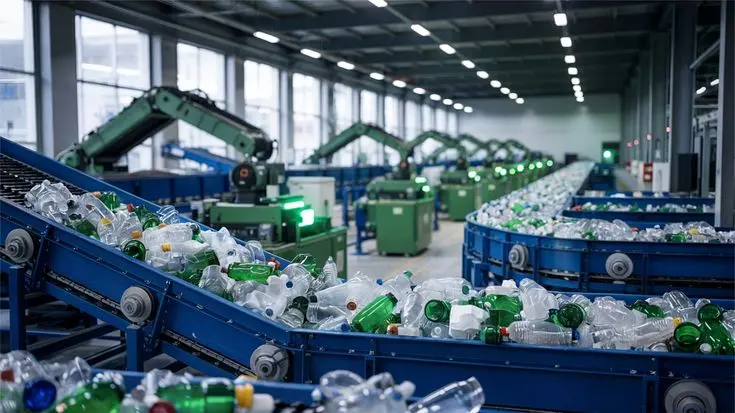
Waste management has become one of the biggest challenges in modern society, especially with rapid urbanization and population growth. Every day, tons of waste are generated from homes, industries, and commercial areas, creating pressure on the environment and public health. The Waste to Wealth Mission is a transformative approach that focuses on converting this waste into useful resources instead of simply dumping it in landfills. It encourages innovation, recycling, and sustainable practices that help protect the environment while also creating economic opportunities. In simple terms, the Waste to Wealth Mission is about turning what we throw away into something valuable and productive.
This concept is not just about cleaning cities; it is about changing mindsets. Instead of seeing waste as useless material, it is viewed as a resource that can be reused, recycled, or converted into energy. The Waste to Wealth Mission plays a vital role in building a circular economy where nothing is wasted and everything is reused efficiently. Governments, industries, and individuals all contribute to making this mission successful. It helps reduce pollution, conserve natural resources, and support sustainable development goals. As awareness grows, more people are adopting eco-friendly practices that align with the Waste to Wealth Mission, making it an essential part of future environmental strategies.
What is Waste to Wealth Mission?
The Waste to Wealth Mission is a government and innovation-driven initiative aimed at managing waste in a way that it becomes a useful resource. Instead of disposing of waste in landfills, this mission focuses on recycling, reusing, and converting waste into energy or valuable materials. It is a part of sustainable development efforts that aim to balance economic growth with environmental protection.
Under the Waste to Wealth Mission, different types of waste such as plastic, organic waste, electronic waste, and industrial waste are processed using advanced technologies. These processes help create products like biofuel, compost, recycled plastic goods, and construction materials. The main goal is to reduce environmental pollution while also generating economic value from waste materials.
This mission also promotes innovation and research. Startups, researchers, and industries are encouraged to develop new technologies that can efficiently convert waste into wealth. It supports the idea of a circular economy where waste is not the end but the beginning of a new production cycle.
Why is Waste to Wealth Mission Important?
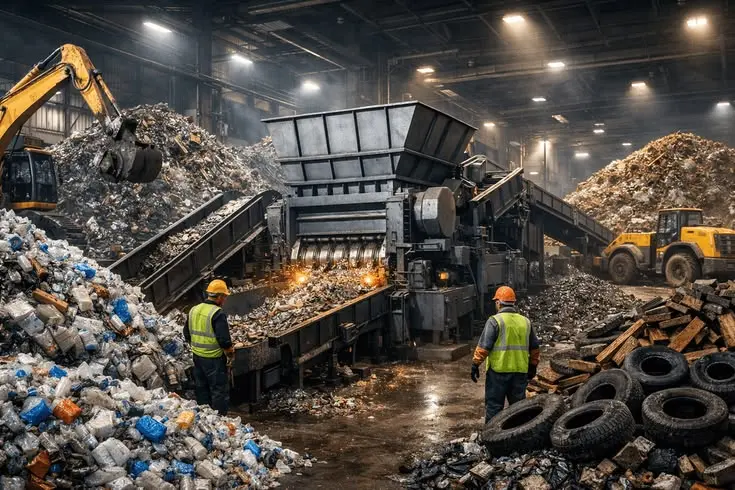
The importance of the Waste to Wealth Mission lies in its ability to address multiple global challenges at once. First, it helps reduce the burden on landfills, which are rapidly filling up due to increasing waste generation. Second, it reduces environmental pollution by ensuring proper waste treatment and recycling.
Another key reason is resource conservation. Natural resources like minerals, water, and fossil fuels are limited. By reusing materials from waste, we can reduce the need to extract new resources. This helps protect the environment and ensures sustainability for future generations.
The Waste to Wealth Mission is also important for economic growth. It creates new job opportunities in recycling industries, waste management sectors, and green technology startups. Additionally, it supports energy production through waste-to-energy projects, reducing dependency on traditional energy sources.
Finally, this mission promotes awareness and responsibility among people. It encourages individuals and organizations to adopt eco-friendly habits and contribute to a cleaner and healthier environment.
Detailed Step-by-Step Guide
Step 1: Waste Collection and Segregation
The first step in the Waste to Wealth Mission is proper waste collection and segregation. Waste is divided into categories such as organic, recyclable, hazardous, and non-recyclable. This step is crucial because proper segregation makes recycling more efficient.
Step 2: Recycling and Processing
Once waste is sorted, it is sent to recycling units where it is processed. Plastic waste is melted and reused, paper is recycled into new products, and metals are extracted for industrial use. Organic waste is converted into compost or biogas.
Step 3: Energy Conversion
One of the most innovative steps in the Waste to Wealth Mission is converting waste into energy. Waste-to-energy plants burn non-recyclable waste to generate electricity. This helps reduce reliance on fossil fuels.
Step 4: Manufacturing New Products
Recycled materials are used to manufacture new products such as furniture, construction materials, and packaging items. This step completes the circular economy loop.
Step 5: Distribution and Usage
The final step is distributing these recycled products back into the market. Consumers use these eco-friendly products, completing the cycle of waste transformation.
Benefits of Waste to Wealth Mission
- Reduces environmental pollution and landfill waste
- Promotes recycling and sustainable living practices
- Saves natural resources by reusing materials
- Generates renewable energy from waste
- Creates new job opportunities in green industries
- Supports economic growth through recycling businesses
- Encourages innovation in waste management technologies
- Helps in achieving sustainable development goals
Disadvantages / Risks
- High initial investment in waste processing technologies
- Lack of awareness among people about proper waste segregation
- Limited infrastructure in developing regions
- Risk of pollution if waste is not processed correctly
- Dependence on advanced technology and skilled workforce
- Possible inefficiency in large-scale implementation
Common Mistakes to Avoid
One common mistake in implementing the Waste to Wealth Mission is mixing different types of waste. When waste is not properly segregated, recycling becomes difficult and less effective. Another mistake is ignoring public awareness. Without educating people, the system cannot function efficiently.
Many regions also fail to invest in proper infrastructure, which slows down the entire process. Overlooking maintenance of recycling plants can also lead to inefficiency and environmental hazards. Lastly, focusing only on short-term benefits instead of long-term sustainability can weaken the mission’s impact.
FAQs
1. What is the main goal of the Waste to Wealth Mission?
The main goal is to convert waste into useful resources through recycling, reuse, and energy generation while protecting the environment.
2. How does Waste to Wealth Mission help the environment?
It reduces landfill waste, minimizes pollution, and conserves natural resources by promoting recycling and sustainable practices.
3. Can household waste be used in this mission?
Yes, household waste like kitchen waste, plastic, and paper can be recycled or converted into compost and other useful products.
4. What technologies are used in Waste to Wealth Mission?
Technologies include waste-to-energy plants, recycling machines, composting systems, and advanced material recovery units.
5. Is Waste to Wealth Mission economically beneficial?
Yes, it creates jobs, reduces production costs, and generates energy, making it economically valuable.
6. What is the biggest challenge in this mission?
The biggest challenge is lack of awareness and proper waste segregation at the source.
Expert Tips & Bonus Points
To make the Waste to Wealth Mission successful, education and awareness are key. People should be trained to separate waste at home. Governments should invest in modern recycling technologies and encourage private sector participation.
Another important tip is to promote community involvement. Local communities can play a big role in maintaining cleanliness and supporting recycling programs. Schools and institutions should also include environmental education in their curriculum.
Innovation should be encouraged through funding startups working on waste management solutions. Smart cities can integrate waste management systems with technology for better efficiency.
Conclusion
The Waste to Wealth Mission is a powerful initiative that transforms waste management into a sustainable development opportunity. Instead of treating waste as a problem, it turns it into a valuable resource that benefits both the environment and the economy. This mission not only reduces pollution but also supports energy production, job creation, and resource conservation.
As the world faces increasing environmental challenges, the importance of the Waste to Wealth Mission continues to grow. It encourages individuals, industries, and governments to work together for a cleaner and greener future. By adopting proper waste management practices and supporting recycling systems, we can significantly reduce the negative impact of waste on our planet.
In the long run, the Waste to Wealth Mission is not just a strategy; it is a necessity for sustainable living. It represents a shift toward responsible consumption and production patterns. If implemented effectively, it has the power to create a world where waste is no longer a burden but a valuable asset for future generations.