
Introduction
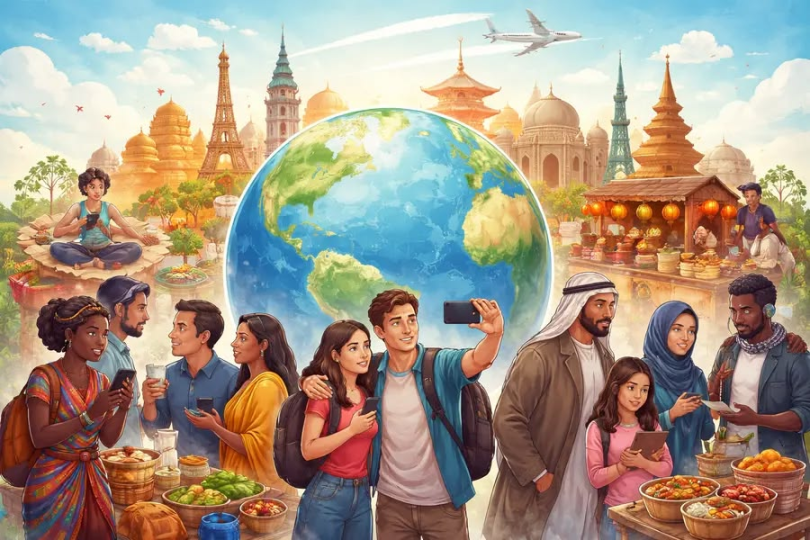
Inside a cultural society, people come together to celebrate shared traditions, values, art, language, and heritage. These societies are more than just formal groups; they are living spaces where identity is preserved and passed on to future generations. In today’s fast-changing world, understanding inside a cultural society helps us see how communities stay connected while adapting to modern life.
A cultural society plays a powerful role in shaping human interaction. It creates a sense of belonging that goes beyond borders, religion, or nationality. Whether it is through festivals, educational programs, or community events, these societies help individuals stay rooted in their cultural identity. Inside a cultural society, members learn not only about their own traditions but also gain respect for others.
In recent years, globalization has increased the need for cultural awareness. Many people feel disconnected from their roots due to migration, digital lifestyles, and urbanization. This is where cultural societies become even more important. They act as bridges between the past and present, ensuring that traditions are not lost. Inside a cultural society, people find emotional support, social connection, and opportunities for personal growth.
What is a Cultural Society?
A cultural society is an organized group of people who share and promote cultural values, traditions, language, and heritage. Inside a cultural society, members work together to preserve their identity and pass it on to future generations.
These societies can be based on nationality, ethnicity, religion, or even shared interests in art and traditions. They often organize events such as cultural festivals, workshops, exhibitions, and educational programs.
Inside a cultural society, activities are designed to encourage learning and participation. Members actively engage in discussions, performances, and celebrations that reflect their cultural background. This creates a strong sense of unity and belonging among individuals.
Cultural societies are not limited to one region. They exist globally, especially in multicultural countries where people from different backgrounds live together. Their main purpose is to keep cultural heritage alive while encouraging mutual respect and understanding among diverse groups.
Why is a Cultural Society Important?
Inside a cultural society, importance goes far beyond entertainment or tradition. It plays a crucial role in shaping identity, education, and social harmony.
Firstly, cultural societies preserve heritage. Without them, many traditions, languages, and customs could disappear over time. They ensure that younger generations understand where they come from.
Secondly, they promote unity. Inside a cultural society, people from similar backgrounds connect and support each other. This reduces feelings of isolation, especially for immigrants or minority communities.
Thirdly, cultural societies encourage education. They teach history, traditions, and values in an interactive way. This makes learning more engaging and meaningful.
Additionally, they promote diversity and tolerance. By interacting with different cultural groups, people develop respect for other traditions. This helps build peaceful and inclusive societies.
Finally, cultural societies contribute to personal development. Inside a cultural society, individuals gain confidence, communication skills, and leadership experience through participation in events and activities.
Detailed Step-by-Step Guide to How Cultural Societies Work
Step 1: Formation of the Society
The first step involves bringing people together who share common cultural interests. A committee is formed to organize activities and define goals.
Step 2: Defining Objectives
Inside a cultural society, clear objectives are set. These may include preserving traditions, promoting language, or organizing cultural events.
Step 3: Membership Enrollment
People who are interested join as members. They may come from the same cultural background or simply have interest in learning.
Step 4: Planning Activities
The society plans events such as festivals, workshops, seminars, and cultural exhibitions.
Step 5: Execution of Events
Events are conducted where members actively participate. These activities strengthen community bonds.
Step 6: Evaluation and Improvement
After each event, feedback is collected. Inside a cultural society, continuous improvement ensures better engagement and impact.
Benefits of Cultural Society
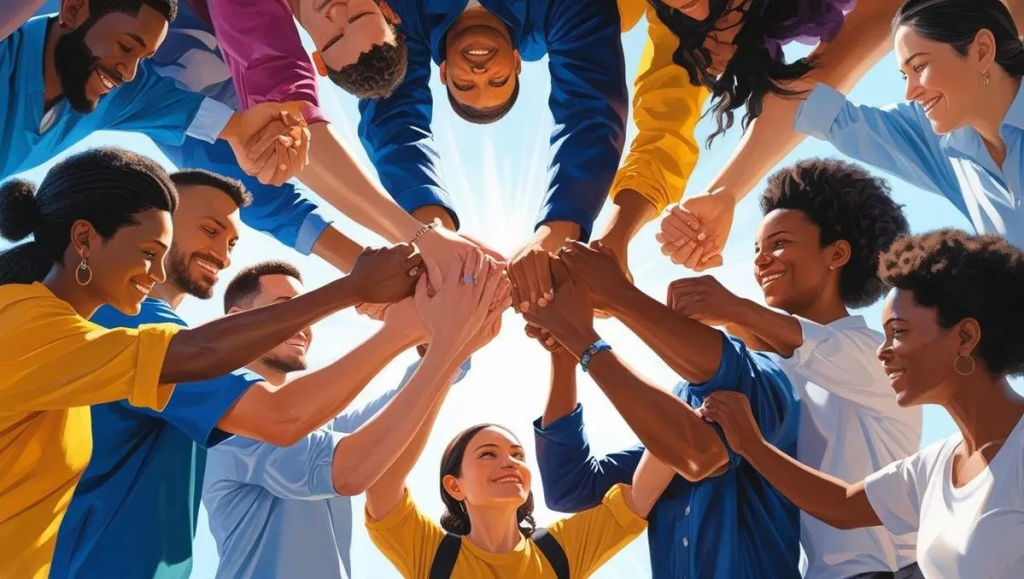
Inside a cultural society, there are many benefits that positively impact individuals and communities:
- Preservation of cultural heritage and traditions
- Strengthening of community bonds
- Development of social and communication skills
- Encouragement of diversity and tolerance
- Emotional support and sense of belonging
- Opportunities for leadership and teamwork
- Educational growth through cultural learning
- Promotion of cultural awareness in society
These benefits show how important cultural societies are in both personal and social development.
Disadvantages / Risks of Cultural Society
Although cultural societies are beneficial, there are some challenges:
- Risk of cultural isolation from other communities
- Possible conflicts due to cultural misunderstandings
- Limited inclusivity if not managed properly
- Overemphasis on tradition may slow modernization
- Financial challenges in organizing events
- Dependency on volunteer participation
- Internal disagreements within members
Despite these issues, proper management can minimize risks and maximize benefits.
Common Mistakes to Avoid in Cultural Societies
Inside a cultural society, certain mistakes can reduce effectiveness:
One common mistake is lack of clear objectives. Without goals, activities may lose direction.
Another mistake is poor communication among members. This can lead to misunderstandings and reduced participation.
Some societies also fail to involve younger generations, which weakens continuity.
Ignoring diversity within the group is another issue. Even inside a cultural society, members may have different perspectives.
FAQs
1. What is the main purpose of a cultural society?
The main purpose is to preserve cultural heritage, promote traditions, and bring people together through shared identity and values.
2. Who can join a cultural society?
Anyone interested in learning or participating in cultural activities can join, regardless of background.
3. How does a cultural society benefit youth?
It helps youth learn about their roots, develop confidence, and gain leadership and communication skills.
4. Are cultural societies only for traditional activities?
No, they also include educational programs, social events, and modern cultural exchanges.
5. Can cultural societies exist in modern cities?
Yes, they are very common in cities with diverse populations and help maintain cultural connections.
6. How do cultural societies promote unity?
Inside a cultural society, people interact, share experiences, and build understanding, which reduces social barriers and promotes harmony.
Expert Tips & Bonus Points
To make a cultural society successful, strong leadership is essential. Leaders should encourage participation from all members.
Using social media can help reach a wider audience and attract younger generations.
Inside a cultural society, inclusivity should always be a priority to ensure everyone feels welcome.
Regular events and consistent communication keep members engaged and active.
Collaboration with other societies can also enhance learning and cultural exchange.
Conclusion
Inside a cultural society, we see more than just traditions and events; we see the foundation of identity, unity, and human connection. These societies play a vital role in preserving heritage while adapting to modern challenges. In a world where globalization often leads to cultural loss, cultural societies act as protectors of history and values.
They provide a space where people can feel connected, understood, and valued. Inside a cultural society, individuals not only learn about their own roots but also gain respect for others. This creates a balanced environment of diversity and unity.
As communities continue to evolve, the importance of cultural societies will only grow stronger. They are essential for education, social bonding, and emotional well-being. By encouraging participation and inclusivity, these societies can continue to thrive and positively impact future generations.