
Introduction
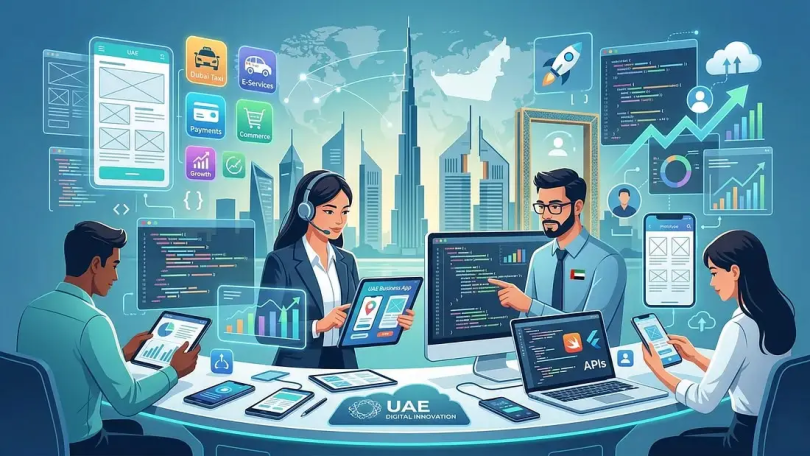
The modern world is rapidly changing, and technology has become a central part of human life. One of the most important developments is The Use of Digital Services in Daily Life, which has transformed how people communicate, learn, shop, work, and entertain themselves. From mobile banking to online education and food delivery apps, digital services are now deeply integrated into our everyday routines.
In simple terms, digital services refer to online-based tools and platforms that help people perform tasks more efficiently using the internet. These services save time, reduce effort, and improve convenience in ways that were not possible a few decades ago. Today, almost every activity has a digital alternative, making life faster and more connected.
The Use of Digital Services in Daily Life is not limited to tech experts or businesses. It is used by students, professionals, homemakers, and even elderly individuals. Whether it is booking a ride, paying bills, or attending virtual meetings, digital services have become essential.
What is The Use of Digital Services in Daily Life?
The Use of Digital Services in Daily Life refers to the integration of internet-based tools and platforms into everyday human activities. These services include mobile apps, websites, cloud platforms, and software solutions that help individuals and businesses perform tasks digitally.
Digital services cover a wide range of areas such as communication (emails, messaging apps), financial transactions (online banking, digital wallets), entertainment (streaming platforms), education (e-learning platforms), and transportation (ride-hailing apps).
In simple words, digital services replace traditional manual methods with faster and smarter online solutions. For example, instead of going to a bank for transactions, people now use mobile banking apps. Instead of attending physical classes, students can learn through online platforms.
The Use of Digital Services in Daily Life has made the world more connected and efficient. It allows people to access services anytime and anywhere using a smartphone or computer. This flexibility has changed how society functions on a global scale.
Why is The Use of Digital Services in Daily Life Important?
The importance of The Use of Digital Services in Daily Life cannot be ignored in today’s digital era. It plays a key role in improving efficiency, communication, and accessibility across all sectors.
Firstly, it saves time. Tasks that once took hours can now be completed in minutes. For example, paying bills online eliminates the need to stand in long queues.
Secondly, it increases accessibility. People in remote areas can access education, healthcare, and financial services through digital platforms.
Thirdly, it improves productivity. Businesses use digital tools to automate tasks, manage data, and communicate effectively.
Moreover, The Use of Digital Services in Daily Life supports global connectivity. People can communicate with friends, family, and colleagues from anywhere in the world instantly.
Lastly, it promotes innovation. New digital solutions are constantly being developed to make life easier, smarter, and more efficient.
Detailed Step-by-Step Guide
How Digital Services Work
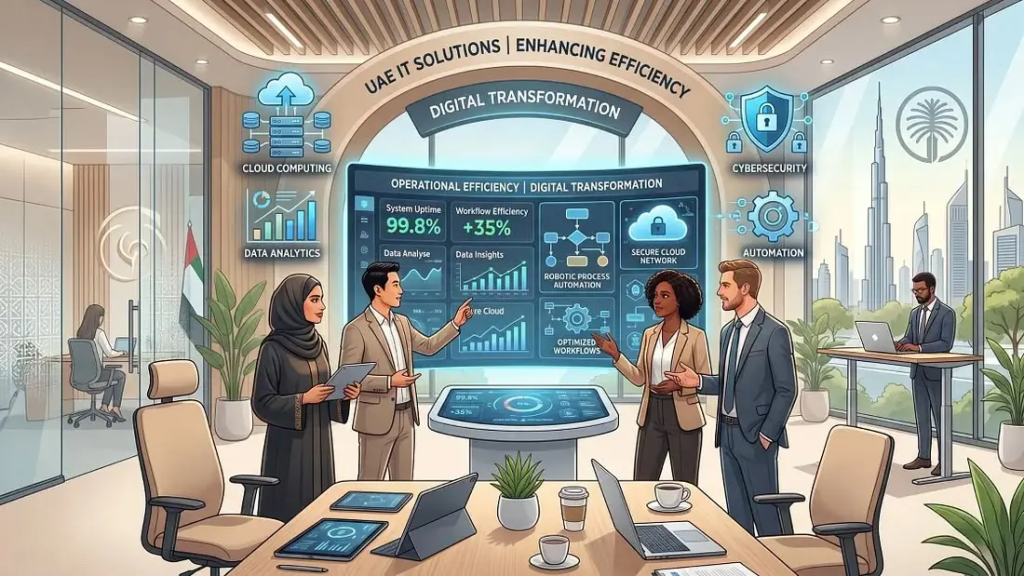
Digital services operate through internet-based platforms and cloud computing systems. Users access these services using devices like smartphones, tablets, or computers. Data is processed on remote servers and delivered instantly to users.
Step 1: Accessing a Platform
Users begin by opening an app or website that offers digital services. This could be a banking app, shopping platform, or learning portal.
Step 2: Creating an Account
Most services require users to register with basic details like email, phone number, or identity verification.
Step 3: Using Features
After registration, users can explore features such as payments, communication, learning tools, or entertainment options.
Step 4: Data Processing
When a user performs an action, the system processes the request using cloud servers and returns the result instantly.
Step 5: Secure Interaction
Modern digital services use encryption and security protocols to protect user data and privacy.
The Use of Digital Services in Daily Life depends on this seamless process that ensures speed, accuracy, and safety.
Benefits of The Use of Digital Services in Daily Life
- Saves time and effort in daily tasks
- Provides instant access to information and services
- Improves communication and global connectivity
- Supports online education and skill development
- Enhances business efficiency and productivity
- Reduces physical paperwork and manual work
- Offers convenience through mobile accessibility
- Enables digital payments and cashless transactions
These benefits show how The Use of Digital Services in Daily Life has improved modern living standards.
Disadvantages / Risks
- Risk of data privacy breaches and hacking
- Over-dependence on technology
- Digital addiction and reduced physical activity
- Cybersecurity threats and scams
- Unequal access in rural or underdeveloped areas
- Technical issues like system failures or downtime
While digital services offer many advantages, users must be aware of these risks to ensure safe usage.
Common Mistakes to Avoid
Many people misuse or misunderstand digital services. Here are common mistakes to avoid:
- Sharing personal information on unsafe platforms
- Using weak passwords for accounts
- Ignoring software updates and security patches
- Falling for online scams and fake websites
- Overusing digital services without balance in real life
Avoiding these mistakes helps ensure safe and effective use of digital platforms.
FAQs
1. What are digital services in simple words?
Digital services are online tools and platforms that help people perform tasks like banking, shopping, learning, and communication through the internet.
2. How does The Use of Digital Services in Daily Life help students?
It helps students access online learning platforms, educational videos, and virtual classrooms, making education more flexible and accessible.
3. Are digital services safe to use?
Yes, but only if proper security measures like strong passwords and trusted platforms are used. Users must also avoid suspicious links.
4. What are examples of digital services?
Examples include online banking apps, social media platforms, e-learning websites, food delivery apps, and streaming services.
5. Why is digital transformation important?
It improves efficiency, reduces manual effort, and allows people to access services anytime from anywhere.
6. Can digital services replace traditional methods completely?
Not entirely, but they are replacing many traditional methods in banking, education, communication, and business operations.
Expert Tips & Bonus Points
Experts suggest using digital services wisely for maximum benefit. Here are some tips:
- Always use trusted and official platforms
- Enable two-factor authentication for security
- Keep your devices updated regularly
- Balance online and offline activities
- Learn basic digital skills for better usage
Bonus insight: The future of The Use of Digital Services in Daily Life will include more automation, artificial intelligence, and smart technologies that will make life even more efficient.
Conclusion
The Use of Digital Services in Daily Life has completely transformed the way humans live, work, and interact. From simple communication to complex business operations, digital platforms have made everything faster, easier, and more accessible.
Today, people rely on digital services for almost every aspect of life, including education, healthcare, finance, and entertainment. This shift has created a more connected and efficient world.
However, while digital services offer many benefits, it is also important to use them responsibly. Security, privacy, and balanced usage should always be considered to avoid risks.