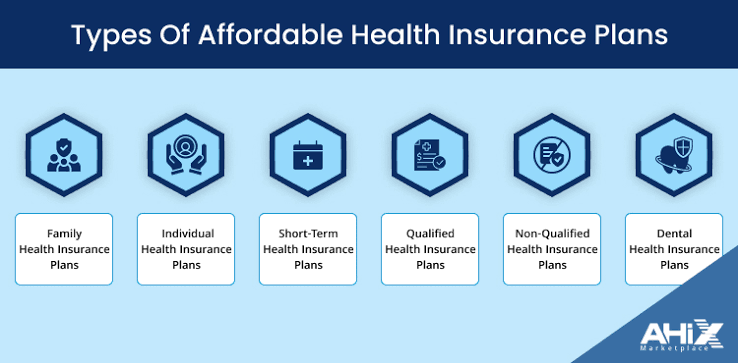

Medical emergencies can arise at any time, and managing healthcare expenses for an entire family can become a problem for you without the right financial support. Family health insurance plans offer a practical solution by covering multiple family members under a single policy. These plans generally provide higher sum insured options, wider coverage benefits, and access to quality medical treatment without placing excessive pressure on your savings.
With several insurers offering different features and coverage options, choosing the right plan requires careful comparison. Keep scrolling to learn how to choose the best health insurance plans for your family.
Selecting the Best Medical Insurance in India requires comparing more than just premium costs — coverage depth, hospital network, and claim settlement speed all matter. Star Health is consistently ranked among providers of the Best Medical Insurance in India, supported by a network of over 14,000 hospitals and a strong claims track record. The Best Medical Insurance in India should include hospitalisation, day-care procedures, pre- and post-hospitalisation expenses, and clear terms around pre-existing conditions. Star Health offers individual, family floater, and senior citizen options, making it easier to identify the Best Medical Insurance in India suited to your specific needs and budget. Before purchasing a policy, review the waiting periods, exclusions, and co-payment clauses carefully rather than relying on premium alone. With transparent documentation and efficient digital claims processing, Star Health remains a strong contender whenever people search for the Best Medical Insurance in India.
How to Choose the Right Health Insurance Plan for Your Family?
Choosing the right family health insurance plan involves assessing several key aspects to ensure the policy meets your family’s needs. Here are the factors you need to consider:
Evaluate Your Family’s Healthcare Needs
At first, you should take a close look at your family’s medical requirements, age group, and health history before selecting a family plan for them. If a family member needs regular treatment or has an existing medical condition, you should make sure the plan offers enough coverage for consultations, medicines, and long-term care.
Read the Inclusions and Exclusions Carefully
Go through the policy wording to understand what is covered and what is excluded in the family health insurance plan. You should also review features such as portability, renewal conditions, and the option to add new family members in the future.
Review the Hospital Network
Always check whether the hospitals and doctors you and your family prefer are included in the insurer’s network. A wider network of hospitals makes it easier to access quality treatment and avail cashless hospitalisation during emergencies.
Waiting Periods
Some family health insurance policies include waiting periods for specific illnesses or treatments. During this time, your family cannot raise claims for those conditions. Therefore, before choosing a policy, check these timelines carefully to know when the full benefits and coverage will become available.
Compare Different Plans Online
You should compare policies online to understand the difference in coverage, premiums, and benefits they offer. Most insurers provide online tools that allow you to compare plans easily and get premium estimates within minutes.
Look for Wider Coverage
Choose a plan that includes all types of expenses as given below:
Pre- and post-hospitalisation expenses
Daycare treatments that do not require overnight admission
Maternity and childbirth-related expenses
Coverage for pre-existing illnesses after the waiting period
Understand Co-payment and Sub-limits
Some policies require you to pay a part of the treatment cost through co-payment clauses. Similarly, certain plans may place limits on room rent or specific procedures. You must understand these conditions beforehand to avoid unexpected expenses during claims.
Check the Claim Settlement Ratio
A high claim settlement ratio reflects the insurer’s ability to process claims smoothly and efficiently. You should choose an insurer with a good settlement record that can give you greater confidence in the event of medical emergencies.
Consider the No-Claim Bonus
Many insurers reward policyholders who do not make claims during a policy year. This benefit may come as an increase in the sum insured or a discount on the renewal premium. However, the terms may vary from one insurer to another.
Choose Flexible Coverage
Choose a policy that allows you to increase the sum insured at renewal. As medical costs rise and your family’s healthcare needs change over time, having the flexibility to enhance your coverage can be helpful in the long run.
What Does a Health Insurance Plan for Your Family Cover?
Family health insurance plans usually cover a wide range of medical expenses. These are as follows:
Pre- and Post-hospitalisation Expenses
Coverage often extends beyond hospitalisation itself. This may include medical tests, consultations, diagnostic procedures before admission, and follow-up treatments or medicines after discharge for a specified period.
Daycare Treatments
Many modern treatments and procedures no longer require overnight hospital stays. Family health insurance plans generally cover approved daycare procedures completed within a few hours.
Maternity and Newborn Cover
Several family health insurance plans include maternity benefits that help cover pregnancy-related expenses, delivery costs, and medical care for the newborn baby.
In-patient Hospitalisation Expenses
The policy covers hospital expenses if a family member requires admission for more than 24 hours due to an illness, injury, or medical condition.
Ambulance Expenses
Most plans reimburse the cost of ambulance services used to transport the patient to the hospital during a medical emergency.
Organ Donor Expenses
If an insured member requires an organ transplant, the policy may cover expenses related to harvesting the donated organ.
AYUSH Treatments
Many insurers also provide coverage for alternative treatment methods such as Ayurveda, Yoga, Unani, Siddha, and Homoeopathy, provided the treatment takes place at an authorised medical facility.
OPD Expenses
Certain plans also include outpatient department (OPD) benefits, covering doctor consultations, medicines, and diagnostic tests without hospital admission.
Domiciliary Treatment
Some illnesses may require treatment at home instead of hospitalisation. In such cases, the policy may cover home treatment expenses if recommended by a doctor.
Preventive Health Check-ups
Family health insurance plans may also offer free or discounted preventive health check-ups at network hospitals to help monitor overall health regularly.
Mental Health Coverage
Many modern health insurance plans now include coverage for mental health conditions such as anxiety, depression, and other psychiatric illnesses.
Daily Hospital Cash Allowance
Some policies provide a fixed daily allowance during hospitalisation to help manage additional expenses such as food, travel, or other incidental costs.
Consumable Expenses
A few insurers also cover non-medical consumables used during treatment, including gloves, syringes, masks, cotton, and similar items that are usually excluded from standard policies.
It is important to choose a family health insurance plan that offers the right balance of coverage, affordability, and long-term benefits. By comparing different family health insurance policies carefully, you can select a plan that meets your family’s healthcare needs while providing financial support during medical emergencies.
Covering every member of your household efficiently is the goal of the Best Health Insurance Plans for Family are available today. The Best health insurance plans for family typically combine your spouse, children, and dependent parents under a single policy with one shared sum insured and premium. Star Health’s Best health insurance plans for family include hospitalisation, maternity benefits in select plans, pre- and post-hospitalisation expenses, and cashless treatment across a wide hospital network. Choosing among the Best health insurance plans for family means comparing sum insured adequacy, waiting periods, and whether the plan can accommodate ageing parents as dependents. Families relying on separate individual policies often find that switching to one of the Best health insurance plans for family reduces overall premium costs while improving coverage consistency. Star Health continues to design some of the Best health insurance plans for family with flexible terms that adapt as your household’s needs change over time.