
Introduction
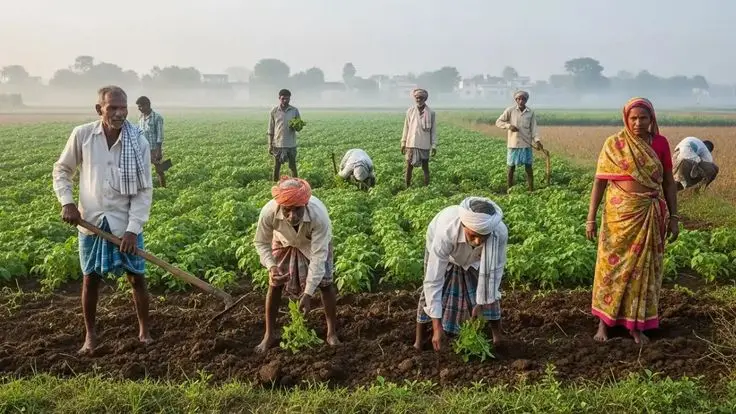
The Success Story of a Farmer in Maharashtra is a powerful example of determination, innovation, and smart farming practices in 2025. In recent years, many farmers across India have struggled with unpredictable weather, rising costs, and limited resources. However, some individuals have turned these challenges into opportunities by adopting modern techniques and sustainable approaches.
This story focuses on a farmer who transformed his small piece of land into a profitable and thriving agricultural business. His journey is not just about growing crops but about changing mindset, learning continuously, and making strategic decisions. From facing financial difficulties to achieving stability and success, his experience offers valuable lessons for beginners and intermediate farmers alike.
Moreover, this Success Story of a Farmer in Maharashtra highlights how technology, government support, and proper planning can make a significant difference. It also shows that success in farming is not limited to large landowners. Even small farmers can achieve remarkable results with the right approach.
What is Success Story of a Farmer in Maharashtra?
The Success Story of a Farmer in Maharashtra refers to a real-life journey of a farmer who improved his livelihood through smart agricultural practices, innovation, and persistence. It is not just a tale of profit but a complete transformation of lifestyle and mindset.
In 2025, such stories have become more common due to increased awareness about modern farming techniques. Farmers are now using drip irrigation, organic farming methods, and digital tools to enhance productivity. This success story represents one such farmer who adopted these changes and achieved consistent growth.
Typically, the story includes challenges like debt, crop failure, and lack of knowledge. However, through proper planning and learning, the farmer gradually improves yield and income. The Success Story of a Farmer in Maharashtra also reflects the importance of adaptability in today’s agricultural environment.
In simple terms, it is a practical example that shows how dedication and innovation can turn farming into a profitable venture.
Why is Success Story of a Farmer in Maharashtra Important?
Understanding the Success Story of a Farmer in Maharashtra is important because it provides real-life guidance and motivation. Many farmers face similar challenges, and learning from successful examples can help them make better decisions.
Firstly, it encourages farmers to adopt modern techniques. Seeing someone achieve success using new methods builds confidence and reduces fear of change. Secondly, it highlights the importance of education and awareness in agriculture.
Additionally, such stories help policymakers and agricultural experts understand what works on the ground. They can then create better support systems and programs for farmers.
Another important aspect is inspiration. Beginners often feel overwhelmed, but this Success Story of a Farmer in Maharashtra proves that success is possible even with limited resources.
Finally, it promotes sustainable farming practices, which are essential for long-term growth and environmental protection.
Detailed Step-by-Step Guide
Step 1: Starting with Limited Resources
The farmer began with just two acres of land and limited financial support. Initially, he relied on traditional farming methods, which resulted in low productivity and minimal profits.
However, instead of giving up, he decided to explore new possibilities. He started attending local agricultural workshops and learning from experts. This marked the beginning of his transformation.
Step 2: Learning Modern Farming Techniques
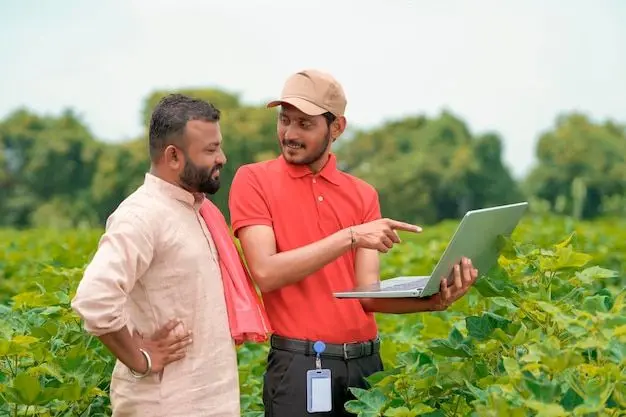
After gaining basic knowledge, he implemented modern techniques such as drip irrigation and soil testing. These methods helped him understand the exact needs of his crops.
As a result, water usage decreased, and crop health improved significantly. This step played a crucial role in his success.
Step 3: Switching to High-Value Crops
Instead of growing traditional crops, he shifted to high-value crops like vegetables and fruits. These crops had better market demand and higher profit margins.
He also focused on crop rotation, which improved soil fertility and reduced risks. This smart decision increased his income within a short period.
Step 4: Using Government Schemes
The farmer took advantage of various government schemes available in Maharashtra. These programs provided subsidies for irrigation systems, seeds, and equipment.
By utilizing these resources, he reduced his initial investment and improved efficiency. This step highlights the importance of staying informed about available support.
Step 5: Adopting Organic Farming
Gradually, he transitioned to organic farming practices. This reduced dependency on chemical fertilizers and pesticides.
Organic products also attracted better prices in the market. Customers preferred healthier and eco-friendly options, which boosted his income further.
Step 6: Direct Market Selling
Instead of relying on middlemen, the farmer started selling his produce directly to consumers. He used local markets and online platforms to reach buyers.
This approach increased his profit margins and gave him better control over pricing. It also helped him build strong relationships with customers.
Step 7: Expanding the Business
With consistent profits, he reinvested in his farm. He expanded his land, improved infrastructure, and introduced new crops.
By 2025, his farm became a model for others. Many farmers visited him to learn and replicate his success.
Benefits of Success Story of a Farmer in Maharashtra
- Provides real-life inspiration for farmers
- Encourages adoption of modern farming techniques
- Promotes sustainable and eco-friendly practices
- Improves financial stability and income
- Builds confidence among small-scale farmers
- Highlights the importance of education and awareness
- Supports community growth and development
- Reduces dependency on traditional methods
Disadvantages / Risks
- Initial investment may be challenging
- Requires continuous learning and adaptation
- Market fluctuations can affect profits
- Organic farming may take time to show results
- Dependence on weather conditions remains
- Access to technology may be limited in rural areas
Common Mistakes to Avoid
One common mistake is sticking to outdated farming methods without exploring new options. Many farmers hesitate to change, which limits their growth.
Another mistake is ignoring soil health. Without proper testing and care, crop quality suffers. It is essential to understand the soil before planting.
Overuse of chemicals is also a major issue. While it may provide short-term results, it harms the environment and reduces long-term productivity.
Additionally, relying only on middlemen can reduce profits. Farmers should explore direct selling options whenever possible.
Lack of financial planning is another mistake. Proper budgeting and investment are crucial for sustainable growth.
Finally, not taking advantage of government schemes can result in missed opportunities. Staying informed is key to success.
FAQs
1. What makes the Success Story of a Farmer in Maharashtra unique?
This story stands out because it combines traditional knowledge with modern techniques. The farmer adapted to changing conditions and used available resources effectively.
2. Can small farmers achieve similar success?
Yes, small farmers can achieve similar results by adopting the right strategies. Proper planning and continuous learning are essential.
3. How important is technology in modern farming?
Technology plays a significant role in improving productivity and efficiency. Tools like drip irrigation and digital platforms can make a big difference.
4. Is organic farming profitable?
Organic farming can be profitable in the long run. Although it requires patience, it offers better market prices and sustainability.
5. What role do government schemes play?
Government schemes provide financial support and resources. They help farmers reduce costs and improve productivity.
6. How can farmers reduce risks?
Farmers can reduce risks by diversifying crops, using modern techniques, and staying informed about market trends.
Expert Tips & Bonus Points
Experts suggest starting small and gradually expanding. It is important to test new methods on a limited scale before full implementation.
Networking with other farmers can also be beneficial. Sharing knowledge and experiences helps in learning faster.
Keeping records of expenses and profits is another useful practice. It allows better decision-making and financial planning.
Farmers should also focus on branding and packaging. High-quality presentation can attract more customers and increase sales.
Additionally, staying updated with market trends and consumer preferences is crucial. It helps in choosing the right crops and pricing strategies.
Finally, maintaining a positive mindset is essential. Farming involves challenges, but persistence and dedication lead to success.
Conclusion
The Success Story of a Farmer in Maharashtra is a powerful example of how determination, innovation, and smart decision-making can transform lives. In 2025, agriculture is no longer limited to traditional practices. Farmers who adapt to change and embrace new technologies are achieving remarkable success.
This story shows that even with limited resources, it is possible to build a profitable and sustainable farming business. The key lies in continuous learning, proper planning, and making informed choices. From adopting modern techniques to exploring new markets, every step contributes to growth.
Moreover, this journey highlights the importance of resilience. Challenges are a part of farming, but they can be overcome with the right approach. The farmer’s success also inspires others to believe in their potential and take action.